Desert Online General Trading LLC
Dubai, United Arab Emirates
Desert Online General Trading LLC
Dubai, United Arab Emirates
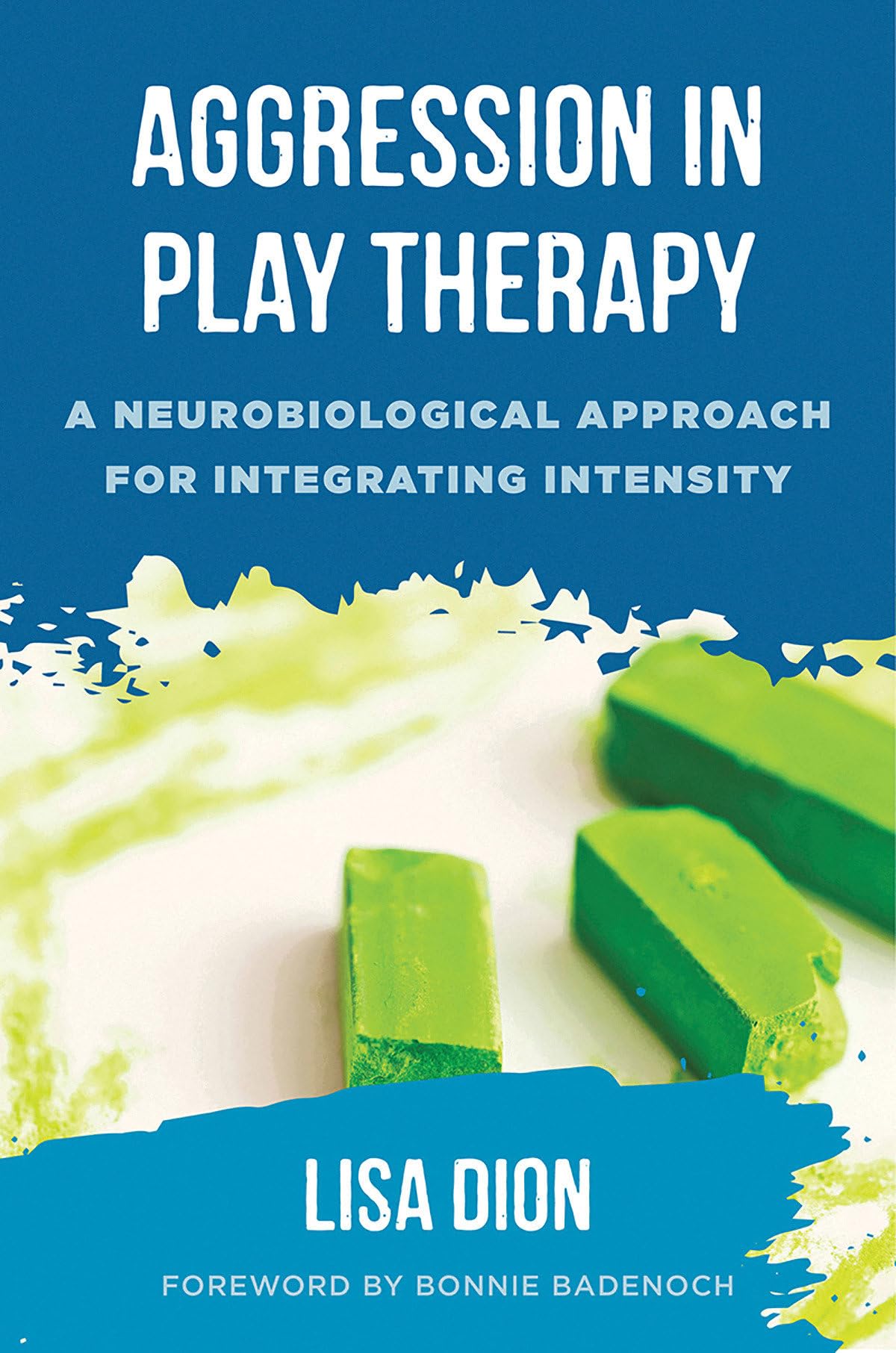
Full description not available
K**E
Elegantly simple and desperately needed new paradigm!!
I am not a therapist. I am a parent with some education and training in psychology and mental health care. I am also a trauma survivor with a special interest in traumatology and an autistic parent to autistic children, one of whom is struggling with aggression. After learning about Stephen Porges’ Polyvagal Theory and studying traumatology, it has been hard for me to feel satisfied with most therapeutic approaches available to my family. If a therapeutic approach has not moved forward into the new paradigm, I am not interested. The gap between the old paradigms and the new paradigm rooted in the primacy of felt safety, coregulation, and relationship is far too wide to let my kids or my family be trapped in systems naively doing more harm than good. Know better, do better. First do no harm. Love others as you would be loved. Compassion for others is founded on self compassion (and thus self regulation). I could line up maxims like bowling pins, and in my experience, Lisa Dion’s SPT would be the first approach to aggression in children that bowls a strike. Her approach is deeply humane and compassionate. It is intellectually grounded but not so intellectually dry that it lacks art and intuition. SPT is a marriage of intellect and intuition, body and mind, heart and highly contemporary science.After a series of experiences with treatment approaches that disrespected my children and caused my oldest son trauma, SPT sounds like manna. At least on paper, this is what I have been looking for. I am excited for us to experience SPT in person. Until then, this book has already helped me with some parenting issues, and I hope Dion has plans to create a book geared towards parent readers. I am comfortable reading a book written for clinicians and extrapolating to parenting. But I know not every parent will be. In the interim, I am glad to see Dion has an online parenting course on her website and look forward to starting it as soon as my husband reads “Aggression in Play Therapy.”Thank you, Lisa Dion. This work is a treasure. And thank you for your wisdom (even if only stated indirectly) in making this work available to autistic children and not just to children who have survived horrific traumatic experiences or who have mental health issues that have not significantly disabled their development. As Porges’ work and other new research begins to make clear, both autistic children and children with traumatic injuries share similarities when it comes to vagal function, regulation, arousal, etc. Autistic children should not be left out of play therapy but too often they are!! They are then relegated to the realms of treatments that frequently fail to meet their regulation needs. But without safety, without coregulation, without authenticity and congruence in play, how can we expect to support autistic children in becoming their best selves?? We can’t. We aren’t.I am placing hope that SPT will open new ground for autistic children and families in a service (play therapy) that is usually covered by health insurance. The latter issue of access can be a barrier for other non-ABA play modalities.“Aggression in Play Therapy” joins my bookshelf next to various texts on yoga and mindfulness as well as the work of Ross Greene, Barry Prizant, Pat Ogden, Stephen Porges, Bessel van der Kolk, Peter Levine, Dan Siegel, Mary Hartzell, Alfie Kohn, Stanley Greenspan, RD Laing, Paul Gilbert, Judith Herman, et al.Applause, applause. Not only a hit in substance but exceptionally easy to read. To make the theoretical this elegantly clear and digestible is quite the accomplishment.
A**R
A MUST HAVE BOOK FOR WORKING WITH CHILDREN
Mental Health Providers are often so afraid of aggression and try to shut it down immediately in sessions. Lisa's book invites you to embrace and understand what aggression is, and she demonstrates so beautifully how we are neurobiologically wired to have anger/aggression. This book provides validation and empathy to understanding both our client's nervous systems and our own nervous systems. This will make you reconsider what you thought you knew about anger, allowing you to have compassion for you and your clients.
M**A
Applicable and Refreshing
This book is a must- whether you work with child clients or adults. The information put forth answered so many questions for me that I didn't know I had. I first found Lisa's 'Integrating Extremes' after working several years in a tough urban community. The burnout and compassion fatigue I was facing was scary. Once I learned about hypo and hyper arousal, so much made sense, not only about how my clients were showing up but how I was feeling. I was holding so much but with a blank slate and feeling like I wasn't moving therapy along. I've since left that job but kept looking up more and more Lisa Dion. I would HIGHLY recommend this book to any therapist really. Working with kids and play is tough but this book illuminates so much and gives you, the therapist, permission to own your stuff, name your experience out loud to help the child and yourself regulate. Can't say it enough- Buy this book and open your third eye!
K**R
Read through at one seating.
Eyeopening - show how to attune to a child client when the client is aggressive towards the therapist . Very practical. With numerous examples.
A**R
Give your self the gift of knowledge and understanding
Do you work with children who are aggressive, impulsive, violent? Are you a parent who has a child who struggles with aggressive behavior, can be violent with you, siblings, peers at school? Would you like to change that? If so I highly recommend this book. In the book Aggression in the Play Room you learn how to understand aggression and also depressed withdrawn symptoms too. This book will be a guide for understanding how to see and change the future of our children. This book will be a guide for you to understand how you can support and see the change of our children in the future to decrease aggression and violence.
S**B
Must read
I highly recommend this book. It integrates the therapist and their experience into how to be helpful when dealing with aggression. I felt validated when listening to it and have actionable steps to take the next time I step in the playroom. I also enjoyed the tips on setting boundaries, parents in the playroom and how to model.
A**R
Helpful and Validating
This book and the SPT framework offers me regulation as the concepts feel validating and authentic to the way in which I interact with the world. After reading the book I committed to deepening my learning and am currently enrolled in the 6 month intro to SPT course. Lisa’s voice is very soothing so once it’s available, listening on audiobook would also be a nice experience.
N**.
Sheds light in the dark places
I was surprised at how much Lisa's book had to say to me. I really appreciate that she talks about a difficult subject and "normalizes" the reactions and mis-steps we, as therapists, sometimes take. And then she offers actionable steps that can be taken before, during, and after challenging times in the playroom. The rationale for her suggestions is solidly based in neuroscience and in practice itself and really focuses on the development of the therapist rather than on just another technique. Thank you for the insights, Lisa. I learned a lot and look forward to having more exposure to your work.
Trustpilot
1 month ago
2 weeks ago