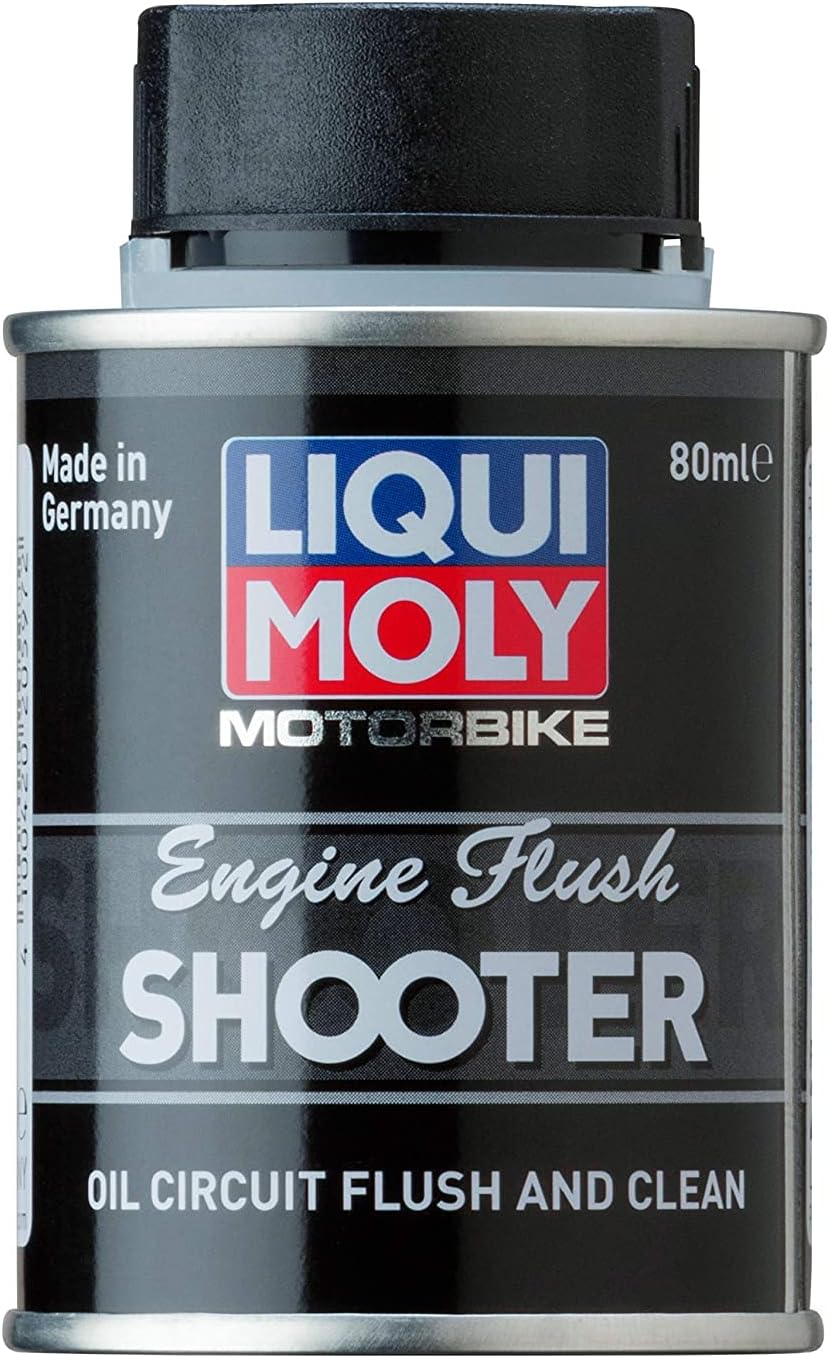
Liqui Moly-LM045 20597 Motorbike Engine Flush Shooter (80 ml)
Product ID: 615471227
Details
- BrandLiqui Moly
- Item weight0.06 Kilograms
- Liquid volume80 Milliliters
- MaterialSpecialized
- Package informationTube
⛽Improves mileage
🛵80 ml precision dose
⚙️Gasket & rubber safe
R608
1
Sold byAmazon South AfricaDelivered byDesertcartCustomer service byDesertcartReturns14 days · 30 with PRO
Buyer Protection · Full refund if your order doesn't arrive as described.
Desertcart purchases this item on your behalf and handles shipping, customs, and support to South Africa.
Secure transaction
Details
- BrandLiqui Moly
- Item weight0.06 Kilograms
- Liquid volume80 Milliliters
Description
⚡ Keep your ride smooth, clean, and ahead of the pack!
- MILEAGE BOOSTER - Enhances fuel efficiency by keeping your engine running smoother.
- SEAL SAFE FORMULA - Protects your bike’s gaskets and rubber seals from damage.
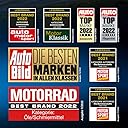
- TRUSTED BY THOUSANDS - 4.4-star rating with over 5,500 reviews—join the savvy riders who never skip this step.
- PRECISION 80 ML SHOOTER - Exact dosing means no waste, just pure engine care.
- ENGINE CLEANSER EXTRAORDINAIRE - Flush out grime and sludge for peak performance every oil change.
Liqui Moly LM045 Motorbike Engine Flush Shooter is an 80 ml liquid formula designed to clean motorcycle engines before oil changes. It safely protects gaskets and rubber seals while improving mileage and engine smoothness. Highly rated and trusted by thousands, it’s a must-have for proactive bike maintenance.
Specifications
| ASIN | B07DCMPDC6 |
| Best Sellers Rank | #64,020 in Automotive ( See Top 100 in Automotive ) #11 in Automotive Engine Flushes |
| Brand | Liqui Moly |
| Brand Name | Liqui Moly |
| Container Type | Tube |
| Customer Reviews | 4.4 out of 5 stars 5,592 Reviews |
| Item Form | Liquid |
| Item Type Name | Vehicle Care |
| Item Weight | 0.06 Kilograms |
| Item weight | 0.06 Kilograms |
| Liquid Volume | 80 Milliliters |
| Liquid volume | 80 Milliliters |
| Manufacturer | LIQUI MOLY |
| Material | Specialized Cleaning Compound |
| Model Number | LM045 |
| Number of Items | 1 |
| Package information | Tube |
| Part Number | 20597 |
| Recommended Uses For Product | Motorcycle engines |
| Recommended uses for product | Motorcycle engines |
| Specific Uses For Product | Clean and prepare engines for lubrication, Prevent Corrosion |
| Unit Count | 80 Milliliters |
Common Questions
Yes, all products are sourced directly from authorized retailers in the US, UK, UAE and India. We maintain strict quality control processes and verify each product before shipping. All items come with applicable manufacturer warranties and are covered by our standard return policy.
Delivery times vary by destination country, typically ranging from 3-9 business days. Each order is fully trackable through our system. We handle all customs clearance and use reliable courier partners for last-mile delivery. You'll receive regular updates about your order status via email and our app.
Desertcart is an international e-commerce platform operating since 2014. We securely process thousands of orders globally each day. Every product goes through our quality verification process before delivery, and we provide end-to-end order tracking, 24/7 customer support, and a comprehensive returns policy to ensure a safe shopping experience.
Our prices include the product cost, international shipping, import duties, customs clearance, and local delivery charges. We handle all customs and import procedures, ensuring there are no hidden fees upon delivery. PRO members receive additional benefits including free shipping.
Trustpilot
TrustScore 4.5 | 7,300+ reviews
Shop Global, Save with Desertcart
Value for Money
Competitive prices on a vast range of products
Shop Globally
Serving millions of shoppers across more than 100 countries
Enhanced Protection
Trusted payment options loved by worldwide shoppers
Customer Assurance
Trusted payment options loved by worldwide shoppers.
Desertcart App
Shop on the go, anytime, anywhere.